 Comprehending the Role of an Arborist
An arborist is a specialist that concentrates on the care and management of trees, shrubs, and various other woody plants. Their competence makes certain the health, security, and aesthetic charm of the landscapes in which these plants thrive. Arborists play an essential role not just in the maintenance of public parks and arboretums but likewise in domestic landscaping, concentrating on both the charm and the well-being of trees within our communities.
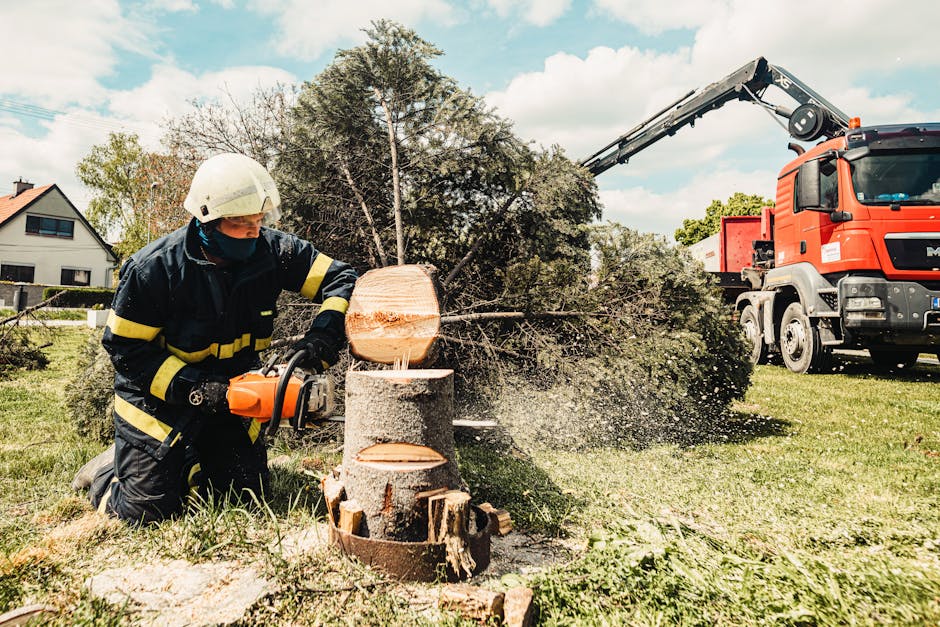
Among the key duties of an arborist is tree care, which includes planting, trimming, and getting rid of trees when required. Pruning is specifically crucial as it promotes healthy and balanced growth, enhances air circulation, and helps to eliminate possible hazards positioned by dead or weak branches. Arborists utilize a series of specialized tools and tools, from hand pruners to chainsaws, to carry out these jobs safely and effectively, accounting for the specific demands of each tree species.
Along with physical tree care, arborists additionally examine tree wellness via diagnostic tools and techniques. They thoroughly assess tree species, soil conditions, and prospective insects or diseases that might intimidate the total wellness of the trees. With their considerable expertise of tree biology and ecology, arborists can advise therapies and establish monitoring strategies that might consist of insect control, fertilization, and dirt enhancement, making sure the longevity and sustainability of metropolitan and country landscapes alike.
Moreover, arborists play a crucial function in ecological conservation. By advertising tree planting campaigns and assisting with reforestation initiatives, they add to the reduction of carbon impacts and the enhancement of biodiversity. As city locations remain to broaden, the importance of preserving a balance between advancement and environment-friendly space ends up being increasingly obvious. Arborists are key players in supporting for policies that support tree conservation and metropolitan forestry, making them essential for eco-friendly wellness and neighborhood well-being.
To conclude, the duty of an arborist expands much past easy tree maintenance; it includes an alternative strategy to boosting and maintaining our native environment. With their specialized abilities and knowledge, arborists ensure the health and safety of trees while contributing favorably to our general landscape. As understanding expands concerning the importance of trees in mitigating climate modification and giving habitat for wildlife, the work of arborists will remain to be crucial in developing lasting, vibrant areas.